Oilseeds: Energy for the Table and the Industry
Oilseeds: Energy for the Table and the Industry
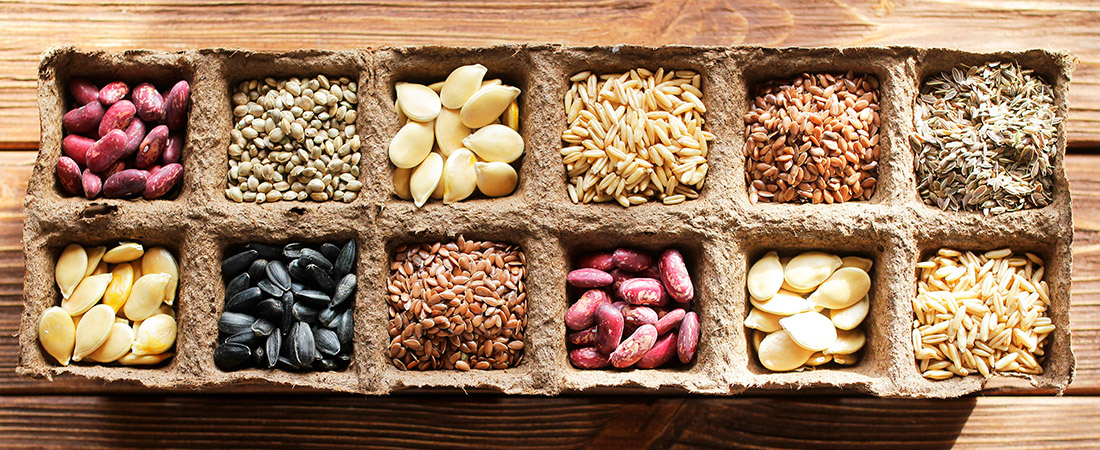
Oilseed crops play a significant role in a country’s economy. They not only provide nutrition for families, but also support major production activities by serving as raw materials for the edible oil industry, animal feed, and the manufacturing of a wide range of food and non-food products. Keep reading to learn more about these remarkable crops.
Some of the most profitable oilseed crops around the world include soybeans, canola, safflower, cotton, sunflower, olives, corn, flaxseed, peanuts, and sesame. Oils are extracted from the seeds and fruits of these crops, and at Sesajal®, we work every day to offer a wide variety of these products while maintaining the highest standards of quality.
Uses of Oilseeds
Oilseeds have a wide range of applications. Almonds, peanuts, olives, and sunflower seeds, for example, can be enjoyed as snacks or used to enhance a variety of dishes and salads. Other oilseed crops also support industries such as textiles through cotton and flax fibers, while safflower can be used for natural dyes and oils can be used in fuel production.
However, one of the primary uses of oilseeds is the production of vegetable oils and fats, which are widely used in cooking. In the food industry, they are also used to produce bread, dressings, fried foods, and nutraceutical products. Oilseed-derived ingredients can also be used in animal feed.
Thanks to advances in processing technologies, oilseeds can also be transformed into edible and non-edible by-products for industries such as pharmaceuticals, agrochemicals, soap manufacturing, paints, plastics, and fuels such as biodiesel.
A Brief History
The cultivation of oilseed plants dates back to the early development of agriculture. Once humans identified suitable growing conditions and found significant quantities of these plants, they began cultivating what had previously been wild species. This practice dates back approximately 7,000 years.
Plants of Great Value
Oilseed crops are highly valuable to humans. Unlike other edible plants such as cereals, grains, and tubers, their fruits and seeds contain high levels of fatty acids and edible oils, which are important sources of nutrition, along with a variety of other products.
Additionally, oilseeds are a source of energy and contain vegetable oils, calcium, phosphorus, zinc, omega-3 and omega-4 fatty acids, and vitamins A, D, E, and K. These nutritional components contribute to various bodily functions and overall well-being.